You park your old Toyota Corolla outside Trade Me, list it for $2,500, and get crickets. Three weeks later, you accept $1,800 from a guy who showed up with a trailer. Meanwhile, your neighbour with the same year, same model, same odometer reading got $2,400 from a wrecker on the first phone call. What gives?
Why two identical cars get different quotes
The first thing to understand is that “value” is a slippery word. A 2008 Corolla has at least four different values at any given moment:
- Private sale value: what an individual buyer will pay if they find your listing, like the car, and have cash ready. Highest potential price, but slowest and most uncertain.
- Dealer trade-in value: what a dealer offers when you’re buying a replacement from them. Usually the lowest number — the dealer needs margin to resell.
- Cash-for-cars value: what a wrecker or removal service pays. This sits in the middle. Lower than private but immediate, no haggling, and includes free pickup.
- Parts value: what the car is worth dismantled. This is what drives wrecker pricing — if your engine alone fetches $800 on the parts market, the wrecker can pay you $600 and still profit.
Two “identical” cars can sit in different buckets the same week. Your neighbour’s Corolla had a recent WoF and a sought-after engine; yours had a failed WoF and a model variant no one’s asking for in parts. Same car on paper, very different number.
The five factors that really move the needle
From thousands of valuations across Auckland and the wider North Island, here are the five things that consistently account for ~90% of the price difference between two similar cars:
1. Year, make, model
Obvious, but worth saying: a 2008 Corolla in good condition is worth more than a 2003 Corolla in better condition. Newer wins, almost always. Make matters too — Toyota, Honda, and Mazda hold value best in NZ because parts demand stays high for 15+ years.
2. Mechanical condition
Engine running? Gearbox shifting cleanly? No mystery noises? Each “yes” adds hundreds. A car that drives onto the truck is worth $300–$800 more than one that needs to be winched on, even if everything else is identical.
3. Body condition and panels
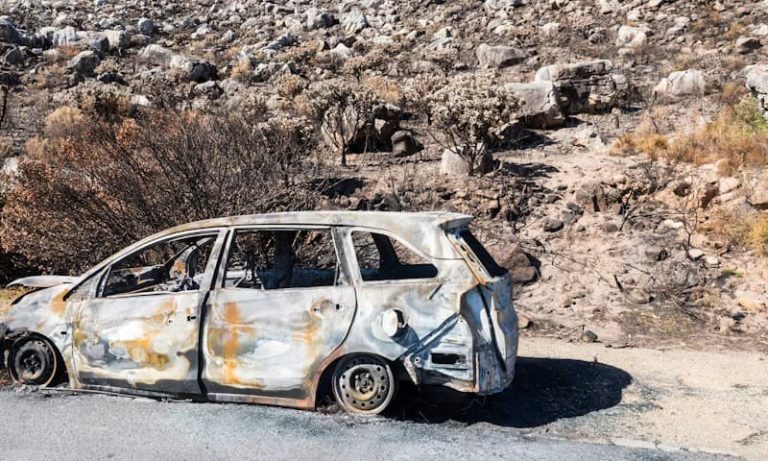
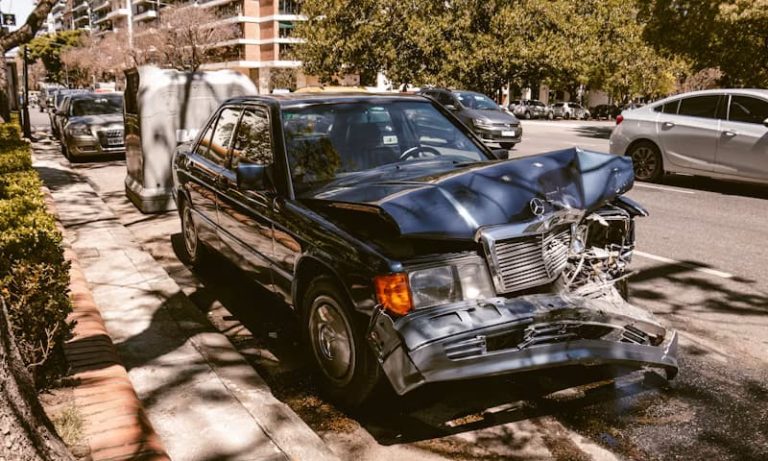
Rust on the chassis rails is a deal-killer for resale; surface rust on a guard isn’t. Crash damage matters less than you’d think — for cash-for-cars wreckers care about whether the parts inside are usable, not whether the car would pass cosmetic inspection.
4. Odometer reading
For private sale, mileage is huge. For cash-for-cars, less so — a 280,000 km Corolla and a 180,000 km Corolla often get similar offers, because the parts that matter (panels, glass, interior trim, alternator) don’t wear at the same rate as the engine.
5. Local demand and stock levels
This is the one most people don’t think about. If three white Corolla bumpers came through our yard last week, we already have stock and your white bumper is worth less to us. If we’re sold out of right-hand mirrors for your model, that mirror alone might bump your offer by $80. Wrecker quotes fluctuate week to week based on what’s on the shelf.
Two identical 2008 Corollas can have a $1,200 spread on the same day — and it’s almost always down to one thing: who’s buying, and what they want it for.
A five-step playbook for getting the best price
Knowing the factors is one thing — acting on them is another. Here’s the exact process we’d follow if we were selling our own car:
- Get three quotes on the same day. Prices move week to week, so compare offers gathered within a 24-hour window — not one from last month against one from today.
- Have your paperwork ready. Photo ID and evidence of ownership speed up pickup and stop last-minute price “adjustments”.
- Be honest about condition. A quote based on wrong information gets revised down at the kerb. Describe the faults up front and the number you’re quoted is the number you’ll get.
- Ask what’s included. Free pickup, no deduction for a dead battery or a missing WoF — the details are where a headline price quietly shrinks.
- Get the final offer in writing. A text or email confirming the agreed figure protects you from a driver who “reassesses” on arrival.
When is a $200 offer actually fair?
Sometimes the offer really is $200–$400, and that’s not because the wrecker is lowballing you. Cars in this price bracket usually share the same combination of issues:
- 1995–2002 model, with low demand for parts
- Significant chassis rust
- Non-running, with the cause unclear
- Common colour, common variant — nothing distinctive
At this point, the wrecker is essentially paying you the value of the recycled steel plus a small margin. If anyone offers you $800 for the same car, ask carefully what the fee structure is. The cheapest way to lose money is to accept a high “quote” that comes with $400 of deductions at pickup.
Common pitfalls to avoid
A few traps we see weekly:
The “highest quote” trap. Three operators quote you. The first says $1,800, the second $2,000, the third $2,400. You go with the highest. The third operator turns up, walks around the car for five minutes, and revises to $1,700 — lower than the original. Lesson: a quote over the phone is a starting point, not a guarantee. Get the offer confirmed in writing or via text before you commit.
The takeaway
Car valuation is part science, part market timing, part who you call. Get three quotes, be honest, and compare offers based on the cash that hits your bank account — not the headline number on the phone. If you do that, you’ll get within $100 of the true market price 95% of the time, which is about as close as anyone can reasonably expect.
Want to know what your car is worth right now?
Free quote in 60 seconds. Honest number, no obligation, no pickup fees.